
Beasts and Biomes
Pupils have demonstrated progression in their scientific competencies this term, specifically through the application of observational techniques and the accurate recording of data.
Cause and Effect - EYFS
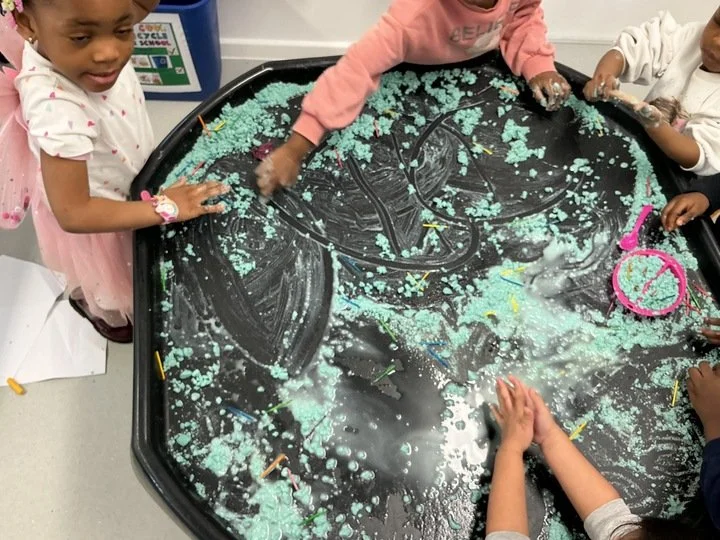
In the nursery (EYFS) setting, the sensory exploration of dry and wet playdough seen in the image is crucial for developing early scientific skills. As children predict what might happen when they add water to the light blue, crumbly mixture on the black tray, they are beginning to think like little scientists. This hands-on process allows them to observe first-hand the transformation of materials and directly understand cause and effect as they see their guesses come to life through play
Mini-Hunting, MiniBeasts - KS1
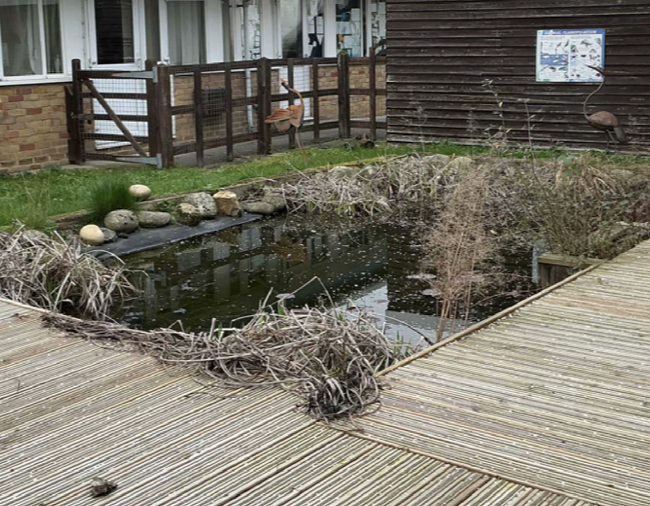
Year 2 pupils have been investigating animals and their habitats, specifically focusing on the playground's microhabitats. During a practical minibeast hunt, the children identified and recorded the various species inhabiting different environmental niches. To organise their findings, the children collated their data into tables, which were then presented and shared during a class-wide review. The session concluded with a comparative discussion regarding the impact of environmental variables, exploring how a change in a single factor would alter the suitability of a habitat.
Cool Study, Heated Results - LKS2
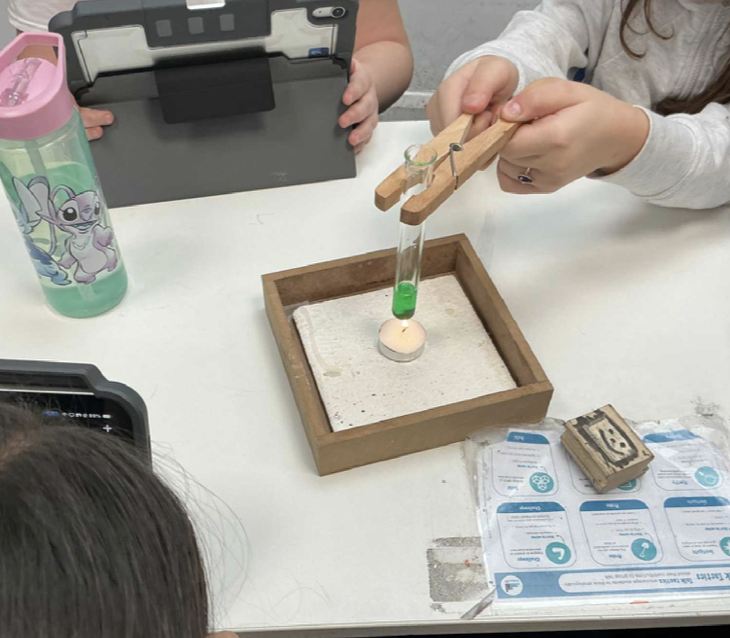
This work demonstrates a Year 4 pupil’s application of melting point theory within the "Changing State" unit. The student utilized their understanding of thermal properties to design a controlled scientific inquiry determining the relative melting rates of various food substances. To document the process and results, the pupil captured video observations and organized the resulting data into a results table. This approach allowed for a clear comparison of how different materials respond to consistent heat sources.
Survival via Adaptation - UKS2
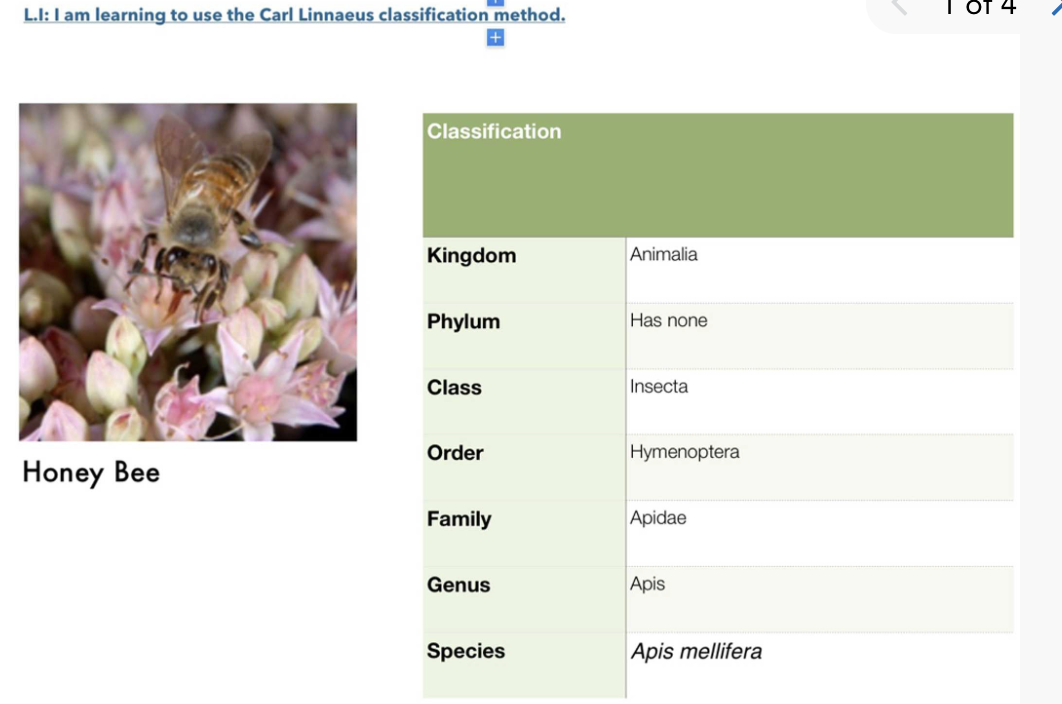
Year 6 pupils have been studying the mechanisms of natural selection through a practical investigation. The students simulated how variations in beak shapes affect a bird's ability to feed and survive within a specific environment. Through this inquiry, the children explored the correlation between physical traits and survival rates. The study concluded with a discussion on extinction, examining how species that fail to naturally evolve, are unable to compete when their environment or food sources change.